The Art of Pruning: Why Letting Go is the Only Way to Grow
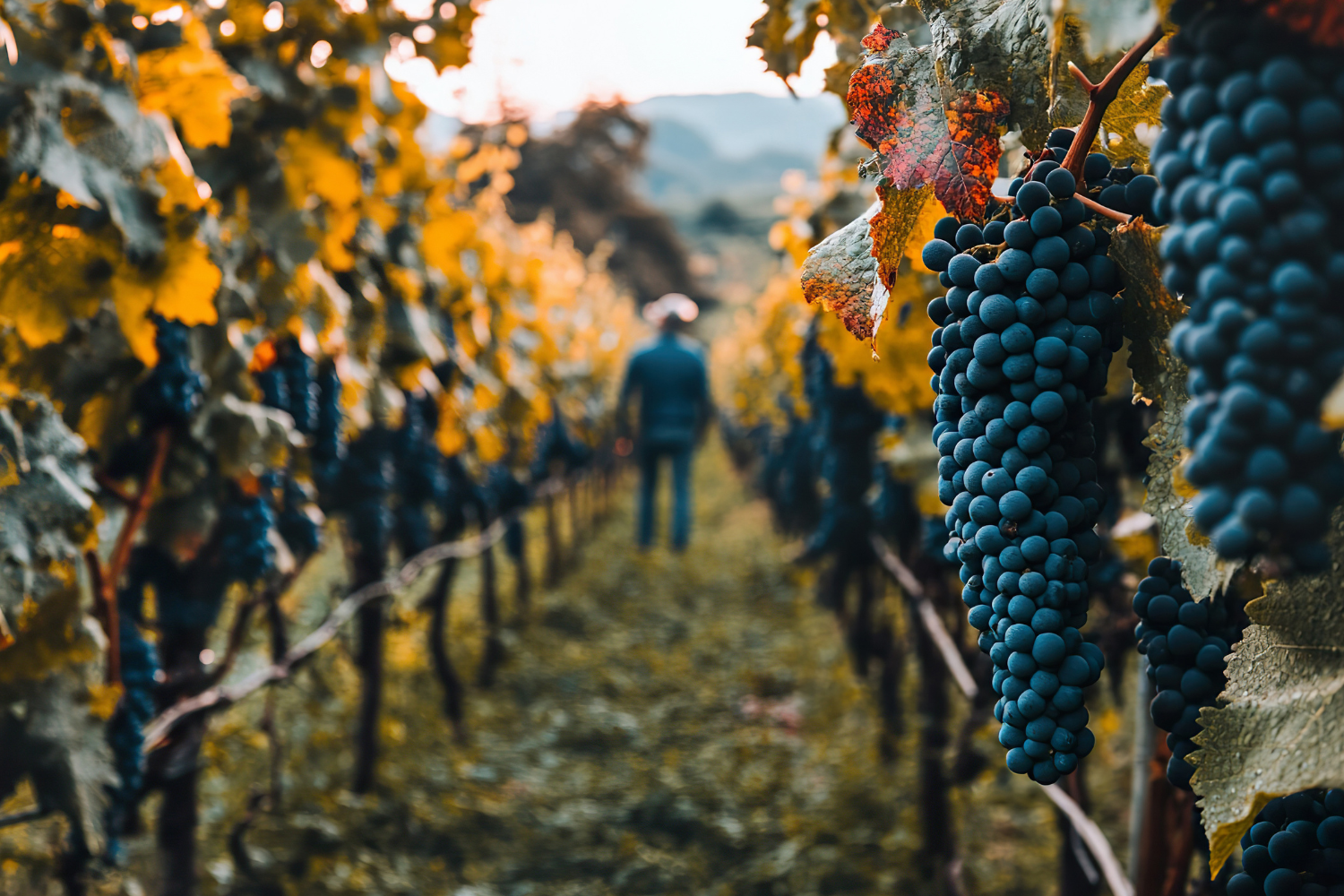
Consider the lifecycle of a vineyard in late autumn. To the untrained eye, the vines look barren and the harvest seems over. But any seasoned vineyard manager will tell you that this is actually the most important part of the year. It is time to prune. If they don't cut back the dead wood and the rogue shoots now, they won’t get any fruit next season.
I’ve been reflecting on this image lately. It reminds me that business, like nature, is cyclical. Understanding How to Embrace the Seasons of a Family Business is critical for long-term survival.
In my work, December often feels like a scramble to the finish line. We focus on Q4 numbers, holiday bonuses, and closing the books. But rarely do we stop to do the necessary work of pruning.
We tend to equate growth with addition. More clients, more revenue, more products. But true, sustainable growth often starts with subtraction. It starts with looking at your business, and your own leadership, and having the courage to cut away what is no longer serving the vision.
Wisdom from the Vine
This concept isn't just good business strategy; it’s Biblical wisdom. In the Gospel of John, there is a profound passage about growth:
"He cuts off every branch in me that bears no fruit, while every branch that does bear fruit he prunes so that it will be even more fruitful." (John 15:2)
There is a distinct difference between "cutting off" and "pruning." We cut off what is dead or toxic. But we prune what is healthy, yet overgrown, so that it can become even better.
For a family business leader, this distinction is vital. We often hold onto strategies, roles, or habits simply because "that's how we've always done it." We let sentimentality cloud our judgment. But just as an unpruned vine produces small, bitter grapes, an unpruned business eventually becomes cluttered, inefficient, and stagnant.
The Professional Pruning: What Needs to Go?
As you reflect on the past year, look at your business with the eyes of that vineyard manager.
Perhaps there is a "legacy" product line that drains resources but yields no profit. Maybe there is a client who brings in revenue but destroys your team's morale. Or perhaps there is a meeting structure that wastes hours every week without producing results.
I recall working with a second-generation CEO who was terrified to shut down a division his father had started thirty years prior. It was losing money every month, but he viewed closing it as a failure of honor. We had to go back to the core foundations and look Beyond the Balance Sheet: How to Align Your Family's Values with Your Business Strategy. We realized that stewardship isn't about preservation; it's about cultivation. By pruning that dead division, he freed up capital and energy that allowed the rest of the company to thrive.
The Personal Pruning: The Leader in the Mirror
The harder work, however, is often internal. If we want our businesses to grow in the New Year, we must grow. This requires a ruthless inventory of our own leadership habits.
What mindsets are you holding onto that limit you?
The need for control? Are you bottlenecking decisions because you don't trust the next generation yet? If so, you may need to revisit how you are handling your transition. (See my recent thoughts on Is Your Succession Plan a Bridge to the Future or a Path to Conflict?).
The fear of conflict? Have you let unresolved issues fester because you value peace over progress?
The glorification of "busy"? Are you mistaking activity for productivity?
In the Gospel of John, the purpose of pruning is "that it will be even more fruitful." The pain of cutting back, of admitting we were wrong, of stepping back from a role, or of changing a habit is temporary. The fruit it produces is lasting.
A Season for Reflection
We are entering a season of rest and reflection. Before the chaos of January begins, I challenge you to find quiet time. Step away from the balance sheets and the strategic plans.
Think about the legacy you are building. Is it a wild, overgrown thicket? Or is it a cultivated, fruitful vineyard?
Growth is not accidental. It is intentional. And sometimes, the most powerful step you can take toward your future is to say "no" to the things that are weighing down your past.
Ask Yourself:
What is the "dead wood" in our business? What are we doing simply out of habit or tradition that is no longer bearing fruit?
Where do I need to be pruned as a leader? What is one behavior or mindset I need to leave behind in 2025 to be the leader my family needs in 2026?
Am I confusing volume with value? Are we just getting bigger, or are we actually getting better?
Preparing for the New Year
As we close out this year, remember that meaningful growth is rarely comfortable. It requires the sharp edge of truth and the courage to change. But if you trust the process, if you are willing to prune, you make space for a harvest you can’t even imagine yet.
Here’s to a fruitful New Year.